


Yoga Classes Near Me
in LondonThere is something about walking into a quiet room where the air feels still and your breath finally catches up with you. Yoga classes offer more than movement. They create space, inside and out. Some of the most grounding sessions are also the most affordable, with cheap yoga deals appearing at smaller studios and community spots. Same day yoga offers are often available if you are open to flexible times. Whether you want a reset after a long week or a gentle start to your morning, there is a class ready to meet you right where you are.
20+ deals


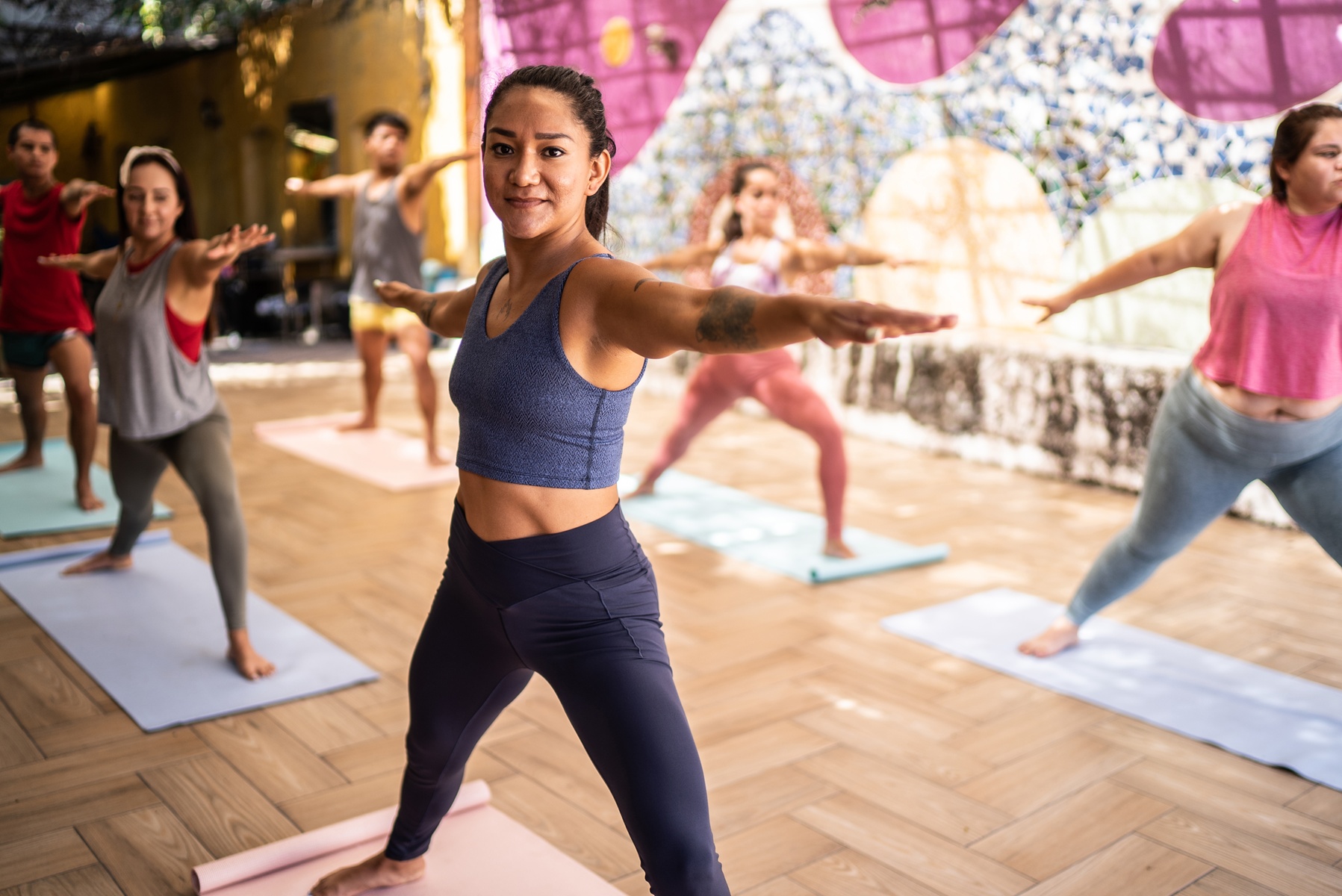

Yoga Classes near You: Quiet Studios, Affordable Packages, and Where to Actually Begin
Some start yoga for strength. Others show up to slow down. Whatever the reason, the growing popularity of yoga across the UK proves it’s no longer a niche habit. From cosy studios above cafés to modern wellness spaces with eucalyptus in the air, there's a class for every energy level, budget, and schedule — you just need to know where to look.
Wondering How Much Yoga Classes Actually Cost?
Prices vary depending on the area and format, but group yoga classes generally start around £10 to £15 per session. Smaller neighbourhood studios often offer new student bundles — three to five classes for £30 to £45. Some drop-in sessions can go as low as £8, especially during off-peak hours or if booked in advance online. Private yoga lessons cost more, usually from £40 per hour, with some experienced instructors charging closer to £70 for bespoke sessions.
If you’re on a tight budget, it’s worth checking whether any studios offer 2 for 1 yoga deals or discounted memberships. Early morning or lunchtime sessions tend to be cheaper, and you might even find donation-based classes offered by community centres or independent teachers.
Need a Class You Can Join Today?
Many studios now support live booking for same-day yoga sessions. Whether you're after a slow yin class or a fast-paced vinyasa, you’ll usually find availability if you book before midday. Afternoon and evening classes tend to fill up fast, but off-peak windows — around mid-morning or early afternoon — often have a few mats left. Look for studios near major transport routes if you need convenience, and call ahead to ask about walk-ins.
Trying to Choose Between Studios? Here’s What Matters
Some places focus on flow and movement. Others lean into the meditative side. If you’re unsure where to begin, look for studios with beginner-friendly labels or multi-style schedules. Top-rated yoga instructors are usually the ones who don’t just demo poses but take the time to explain and adapt based on your body. Reviews mentioning warmth, clarity, and consistency are good signs you’ve found someone worth learning from.
Membership value can vary. Some people prefer pay-as-you-go. Others save more by committing to a monthly plan. If you’re going twice a week or more, unlimited passes usually work out cheaper — typically between £55 and £80 a month, depending on the studio.
Persona Shift: First-Timer Looking for Confidence
I had never set foot in a yoga studio before. I didn’t know what to wear, what mat to bring, or whether I’d make a fool of myself. I booked a beginner's class with a “first class free” offer, and it changed everything. The teacher was patient, the other students didn’t care how flexible I was, and I realised quickly that yoga isn’t about being perfect. It’s about showing up. I went from “maybe I’ll try it once” to twice a week before I even noticed the habit forming.
Are Boutique Studios Better Than Chains?
It depends on what you’re looking for. Boutique studios tend to feel more personal, with smaller class sizes and instructors who remember your name. Chains, on the other hand, often offer more sessions throughout the day, better facilities, and discounts if you attend multiple locations. If you’re only planning to attend once a week, it might come down to whichever is closer. But if you're aiming for a regular habit, consider trialing both before committing.
Which Types of Yoga Are Most Popular Right Now?
Flow-based classes are leading the way. Vinyasa and power yoga remain favourites for building strength and stamina. Yin and restorative classes are increasingly popular among people looking to manage stress or improve flexibility. Some studios have also introduced hybrid experiences — combining yoga with sound therapy, journaling, or breathwork. These sessions often sell out quickly, particularly around seasonal transitions or full moons.
For anyone just starting out, hatha or gentle flow classes provide a great introduction. Look for sessions described as “accessible,” “slow-paced,” or “ideal for beginners.” Many teachers welcome first-timers and will offer adaptations for injuries or limited mobility.
Thinking About Booking Through a Deal Platform?
You’ll find plenty of introductory offers and yoga voucher deals through platforms like Groupon or ClassPass. These are great if you’re exploring different studios or want to save on your first few sessions. Just double-check expiry dates, booking conditions, and whether mats or equipment are included. A few places require advance booking, even for drop-ins.
Gift vouchers are also popular. You can usually find yoga gift cards online for £20 to £50, covering two to five classes. These are thoughtful presents for friends, especially new mums or anyone going through a stressful period.
Final Voice: The Working Parent Fitting Yoga Around Life
With two kids, a full-time job, and the sleep schedule of a tired squirrel, yoga became my 60-minute reset. I don’t go to the fanciest studio, and I don’t know all the Sanskrit names. But once a week, I roll out a mat, stretch what I can, and walk out clearer than I walked in. The class costs £12. It’s near my work. It’s enough. And sometimes, enough is perfect.
Final Thoughts on Starting a Yoga Practice
Yoga doesn’t require anything other than your attention. You don’t need to be flexible. You don’t need to be young. You don’t need fancy leggings. If you’ve been thinking about trying it, look for a class that fits your pace, your schedule, and your comfort level. Whether you’re drawn in for the breathwork, the movement, or just a reason to switch off your phone for an hour, there’s space for you on the mat.
Frequently Asked Questions
Yoga is a centuries-old practice originating from India, encompassing not only physical postures but also ethical principles and spiritual beliefs. It has been recognized worldwide for its benefits to mental and physical health, involving a blend of physical exercises, controlled breathing, relaxation techniques, and mediation.
Yoga can help to increase flexibility and muscle strength, enhance respiratory and cardiovascular function, promotes recovery from and treatment of addiction, reduce stress, anxiety, depression, and chronic pain, improve sleep patterns, and enhance overall well-being and quality of life.
This varies depending on your personal goals and schedule. For beginners, 2-3 sessions per week can be beneficial. If you're aiming for advanced practice, daily yoga may be more appropriate. However, even just a few minutes of yoga each day can help to improve your health and mindset.
While you don't necessarily need any equipment, a yoga mat is generally recommended for comfort and safety. Some people also use other props like yoga blocks, straps, or blankets to help with certain poses. However, most of these items are optional, especially for beginners.
While yoga isn't traditionally viewed as a high-intensity exercise that burns calories, it can contribute to weight loss in other ways. Regular practice can help reduce stress and cortisol levels, which have been linked to weight gain. Additionally, yoga can help build lean muscle and improve metabolism over time.
Some community-led sessions go as low as £5, especially for first-timers. Many studios also list intro offers like three classes for under £20. Prices vary, but off-peak times or bulk passes almost always stretch your money further than single drop-ins.
Single classes typically range from £8 to £16 depending on format and teacher experience. Shorter lunchtime flows and gentle beginners’ sessions tend to fall on the cheaper side, while extended vinyasa or hot yoga sessions push the top end.
These pop up frequently on voucher platforms or through studio newsletters. Some run midweek-only or apply to new students only, so timing matters. Friends booking together might also score double access under special launch offers if the studio’s new.
Late mornings between school runs and lunch breaks often bring a calmer crowd. Early birds catch that stillness too—sunrise classes have a loyal following and often fewer mats in the room. Steer clear of weekday evenings if you prefer breathing room.
Private sessions range from £40 to £90, depending on session length and experience level. Some instructors offer short 30-minute consultations or group split-rates to make private tuition more accessible. Outdoor sessions may come slightly cheaper.
Yes—especially if you attend at least twice a month. Voucher deals often slash the cost of a 5- or 10-class pass by 30–50%. Just check expiry dates, and note whether they’re studio-specific or transferable to multiple locations under one brand.